


How UK’s New Google AI Regulation Could Change SEO, Content Marketing & Website Traffic in 2026
The way people discover content online is changing faster than ever. With AI-powered search experiences becoming the norm, brands and publishers are seeing a shift in how traffic flows from search engines to websites.
Recently, a major regulatory development in the UK has sparked global conversations around Google’s AI-generated search summaries and their impact on publishers, marketers, and businesses. According to an AP News report, UK regulators are proposing new rules that could allow publishers to opt out of having their content used in Google’s AI summaries, a move that may significantly reshape SEO and content marketing strategies worldwide.
For marketers and business owners, this isn’t just tech policy news. It’s a signal that SEO trends in 2026 may look very different from what we know today.
Let’s break down what this regulation means, why it matters, and how brands should prepare.
Understanding the UK’s Proposal on Google AI Summaries
The UK’s Competition and Markets Authority (CMA) has raised concerns about how AI-generated summaries in Google Search may affect competition and publisher revenue. These summaries, powered by generative AI, often appear at the top of search results and provide users with quick answers, sometimes without requiring them to click through to a website.
Under the proposed changes, publishers could gain more control over whether their content is used in these AI summaries generated by Google. The idea is to strike a balance between innovation and fair competition, ensuring that original content creators are not disadvantaged.
While the proposal is UK-specific for now, it has global implications for SEO and content marketing.
What Are Google AI Overviews and Why Do They Matter?
Google’s AI Overviews (also called AI summaries) are designed to improve user experience by quickly summarizing information from multiple sources. While convenient for users, they raise important questions for website owners:
- If users get answers directly on Google, will they still visit websites?
- How much traffic is being diverted away from publishers?
- Who benefits most from AI-driven search results?
For content-driven businesses, blogs, and service providers, organic traffic is often a primary growth channel. Any change that reduces click-through rates can directly impact leads, conversions, and revenue.
Why Content Creators and Brands Should Pay Attention
AI Summaries vs Organic Clicks
One of the biggest concerns is declining website traffic. When AI summaries answer questions instantly, users may not feel the need to click further. This is especially critical for:
- Informational blogs
- Service-based websites
- Affiliate and publisher platforms
The UK proposal could allow publishers to opt out, potentially restoring direct traffic to original content sources.
Control Over Content Usage
For the first time, regulators are acknowledging that publishers should have a say in how their content is reused by AI systems. This could set a precedent for future regulations across Europe, Asia, and beyond.
👉🏻 Book a Free CRO Audit for your website. Schedule a call now.
Implications for SEO Strategy in 2026
This regulation highlights an important truth: SEO is no longer just about keywords and backlinks. It’s about content ownership, authority, and engagement.
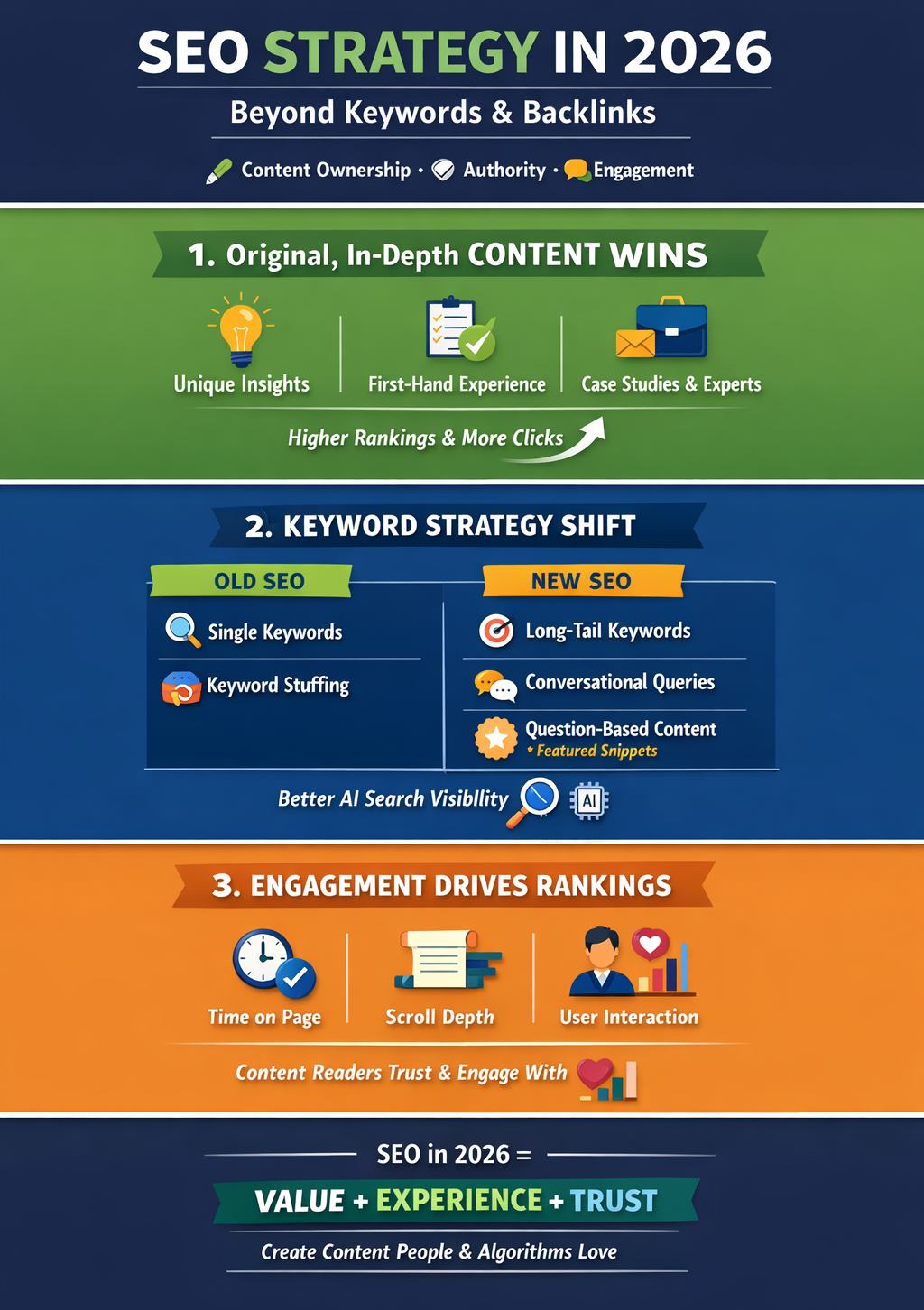
1. Original, In-Depth Content Will Matter More Than Ever
As AI summaries pull from multiple sources, shallow or generic content may lose visibility. Brands that invest in:
- Unique insights
- First-hand experience
- Case studies and expert opinions
will be better positioned to rank and attract clicks.
2. Keyword Strategy Will Need Refinement
Traditional keyword targeting may not be enough. Marketers will need to focus on:
- Long-tail, intent-driven keywords
- Conversational search queries
- Question-based content optimized for featured placements
This shift aligns closely with emerging SEO trends for 2026.
3. Engagement Signals Will Influence Visibility
User behavior, such as time on page, scroll depth, and interaction, will play a bigger role. Search engines want to surface content users genuinely engage with, not just skim.
What This Means for Digital Marketers and Website Owners
For marketers, this news isn’t a reason to panic; it’s a reason to adapt.
Here’s how brands can prepare:
- Strengthen on-page SEO with clear structure, internal linking, and schema markup
- Create content with a strong point of view, not just summaries of existing information
- Diversify traffic sources beyond Google, including email marketing and social platforms
- Track analytics closely to monitor changes in click-through rates and engagement
At Radian Marketing, we consistently see that brands investing in high-quality content and holistic SEO strategies are better insulated from algorithm and platform changes.
👉🏻 Need Help with high-quality content, SEO strategies, and organic growth? Book a call now.
The Bigger Picture: Global Regulation and Digital Competition
The UK’s proposal is part of a larger global movement toward regulating big tech and ensuring fair competition in digital markets. Governments worldwide are questioning how platforms use publisher content, monetize attention, and influence discovery.
If these regulations expand, brands that rely solely on quick-win SEO tactics may struggle. Those focused on long-term content marketing strategy will thrive.
Risks and Opportunities for Small and Medium Businesses
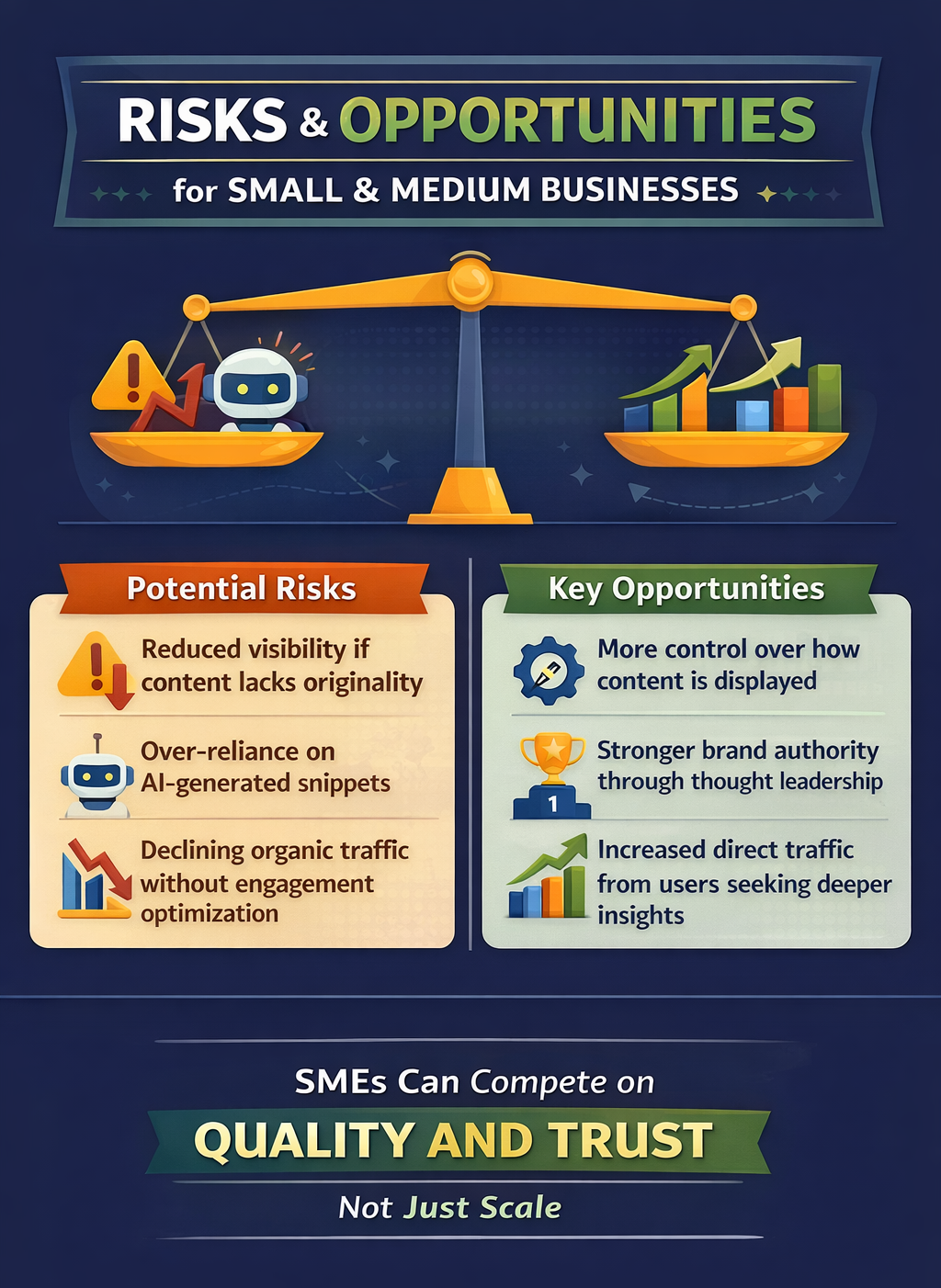
Potential Risks
- Reduced visibility if content lacks originality
- Over-reliance on AI-generated snippets
- Declining organic traffic without engagement optimization
Key Opportunities
- More control over how content is displayed
- Stronger brand authority through thought leadership
- Increased direct traffic from users seeking deeper insights
For SMEs, this is a chance to compete on quality and trust, not just scale.
👉 2x Your Website Traffic in 6 months. Book 1:1 call with our experts!
How Brands Should Adapt Their Content Marketing Strategy
To stay ahead of these changes, businesses should:
- Focus on experience-based content rather than generic guides
- Build topical authority within their niche
- Invest in UX, page speed, and mobile optimization
- Align SEO with broader digital marketing goals
A strong content marketing strategy isn’t about chasing algorithms—it’s about creating value that AI can’t easily replace.
Final Thoughts: Preparing for the Future of SEO
The UK’s proposed regulation around Google’s AI summaries marks a turning point in how content, AI, and search engines interact. While the immediate impact may be limited to the UK, the message is clear: the future of SEO will reward originality, engagement, and strategic thinking.
For marketers and business owners, now is the time to reassess content strategies, invest in quality, and prepare for a more competitive and more transparent digital ecosystem.
At Radian Marketing, we help brands stay ahead of these shifts with SEO strategies built for long-term growth, not short-term hacks.