

D2C Ecommerce SEO in 2026: Page Speed, Internal Linking, and Technical Fixes
Are you looking to do your D2C ecommerce SEO in 2026 and get more visibility? As you know, SEO directly impacts conversion rate, customer acquisition cost, and repeat purchases. When your online store loads fast, guides users smoothly, and removes technical friction, SEO becomes a revenue engine instead of a traffic metric. Modern D2C brands that win on search are the ones turning organic visitors into loyal customers, not just clicks.
At the core of this shift are three fundamentals: page speed, internal linking, and technical SEO. Together, they define how search engines understand your store and how customers experience it. Yet most online stores still fail at execution. They invest in ads and content but ignore how page load speed affects online store SEO, how internal linking improves online store SEO, and the essential SEO tips for an online store that actually drive growth. That gap is exactly where most D2C brands lose rankings, sales, and long term customers.
What Is D2C Ecommerce SEO in 2026?
D2C ecommerce SEO in 2026 goes beyond ranking on Google. It focuses on visibility across AI led discovery, including ChatGPT-driven searches and ChatGPT shopping experiences, where users ask conversational questions and expect instant, product-ready answers. Modern d2c ecommerce SEO combines traditional search optimization with intent-based content, structured data, fast pages, and product feeds that AI systems can easily understand and recommend.
SEO now supports the entire customer journey. At the awareness stage, it educates problem aware users through blogs and guides. During consideration, it ranks comparison and ingredient pages. At conversion, it drives high intent traffic to optimized product and category pages. Post purchase, SEO content also supports retention through usage guides and reordering queries.
How Page Load Speed Affects Online Store SEO and Revenue
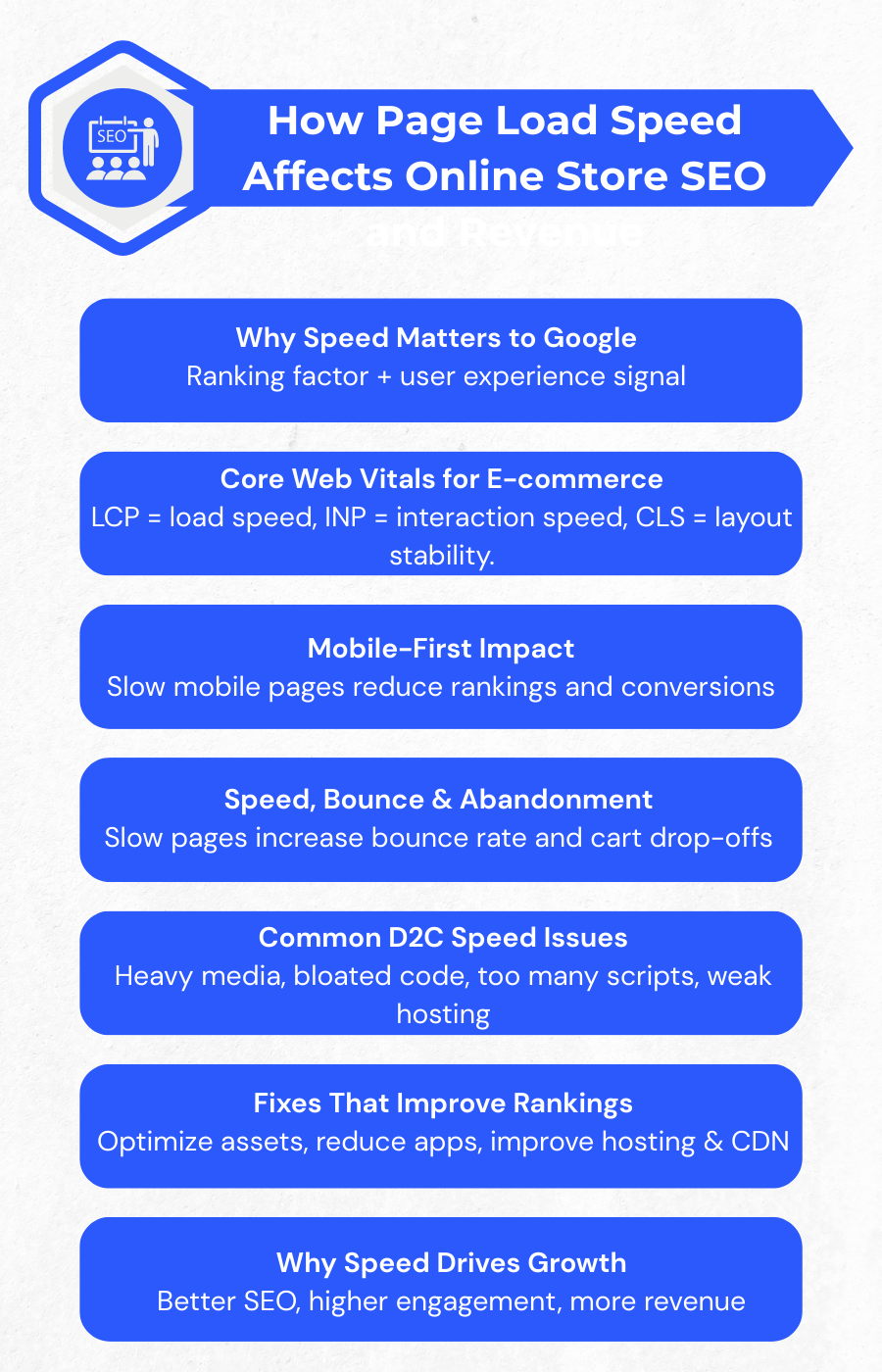
Page speed is no longer a technical nice-to-have. It is a core part of a high-performing D2C ecommerce strategy that directly impacts rankings, conversions, and revenue.
Why Google Treats Speed as a Ranking and Conversion Signal
Google uses page speed as both a ranking and a user experience signal. Faster pages improve crawl efficiency, engagement, and conversions, making speed critical for D2C e-commerce SEO.
Core Web Vitals in the e-commerce context
- LCP: How fast product and hero sections load
- INP: How responsive add to cart and checkout actions feel. A good score is less than 200milliseconds as per Google experts
CLS: Layout stability on product and checkout pages
Mobile First Indexing Impact on D2C Stores
Most D2C traffic is mobile. Slow mobile pages reduce rankings and conversions under mobile-first indexing, and they also weaken ecommerce app marketing performance by increasing drop-offs before users engage with in-app experiences or complete purchases.
Speed vs Bounce Rate vs Checkout Abandonment
Page speed directly impacts how users behave on your store. Even a one-second delay can push potential buyers away before they ever reach checkout.
- Slow pages increase bounce rate
- Higher bounce lowers SEO signals
Delayed checkout increases cart abandonment
Common Page Speed Issues in D2C E-commerce Stores
Most D2C speed problems come from technical clutter and unoptimized assets rather than traffic volume.
- Heavy images and unoptimized media
- Bloated Shopify or custom theme code
- Too many third-party apps and scripts
- Poor hosting and CDN setup
Page Speed Fixes That Actually Improve Rankings
Focusing on the right fixes helps improve both search visibility and conversion rates at the same time.
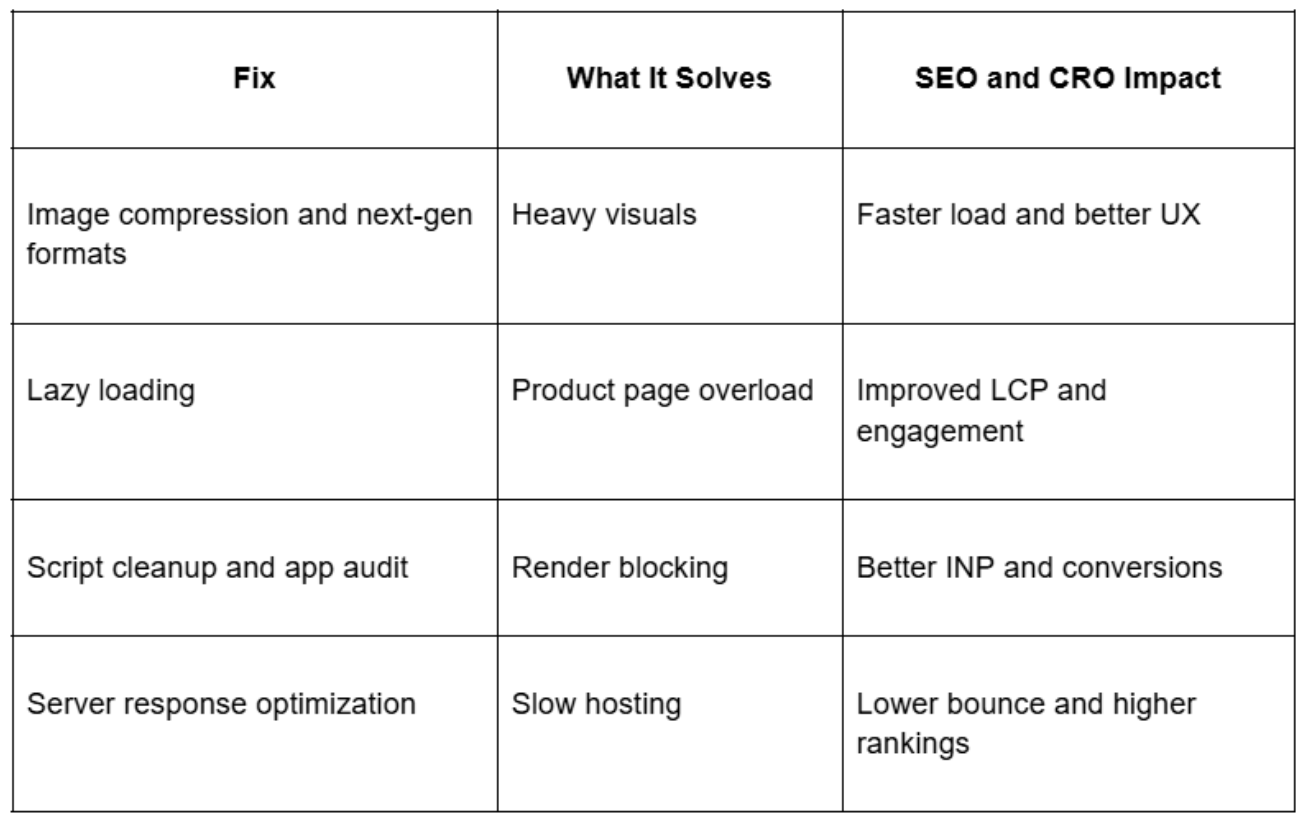
Speed optimization strengthens your digital marketing strategy for online store growth by improving both SEO and revenue.
AI-driven discovery is changing how customers find D2C brands. If you want to understand how to attract high-intent users beyond traditional search, explore how to get traffic from ChatGPT and turn AI visibility into ecommerce growth.
How Internal Linking Improves Online Store SEO at Scale
Internal linking is one of the most underrated yet powerful levers in a scalable D2C ecommerce strategy. When aligned with CRO services, it improves rankings, guides users toward high-intent pages, and enhances user experience to drive higher conversions.
Why Internal Linking Is a Revenue Lever for D2C SEO
- Distributes authority: Internal links pass SEO value from high traffic pages to important product and category pages.
- Improves crawl depth: Helps search engines discover and index deeper product pages faster.
Guides users to high-intent pages: Strategic links move users from informational content to purchase-ready pages.
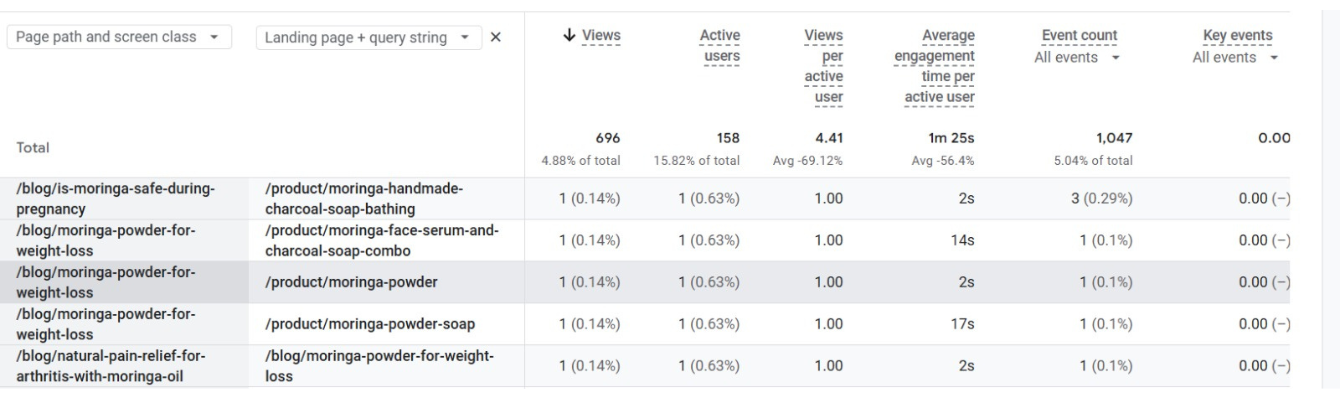
For example, for our client Doctor Moringa, we improved internal linking by connecting high-intent blog pages directly to relevant product pages, and as shown in the image, users started moving from blog articles to product URLs, indicating stronger internal link flow, better engagement, and improved conversion potential.
Internal Linking Strategy for D2C E-commerce Stores
A structured internal linking system helps search engines understand your store hierarchy while guiding users toward high-intent pages that drive revenue.
- Category-to-subcategory linking for a clear hierarchy
- Blog to product and collection linking for demand capture
- Related products and upsell paths to increase AOV
- Anchor text optimization focused on commercial intent
Internal Linking Mistakes That Hamper D2C SEO
Avoiding common internal linking errors is just as important as building links correctly, as these issues can block rankings and revenue growth.
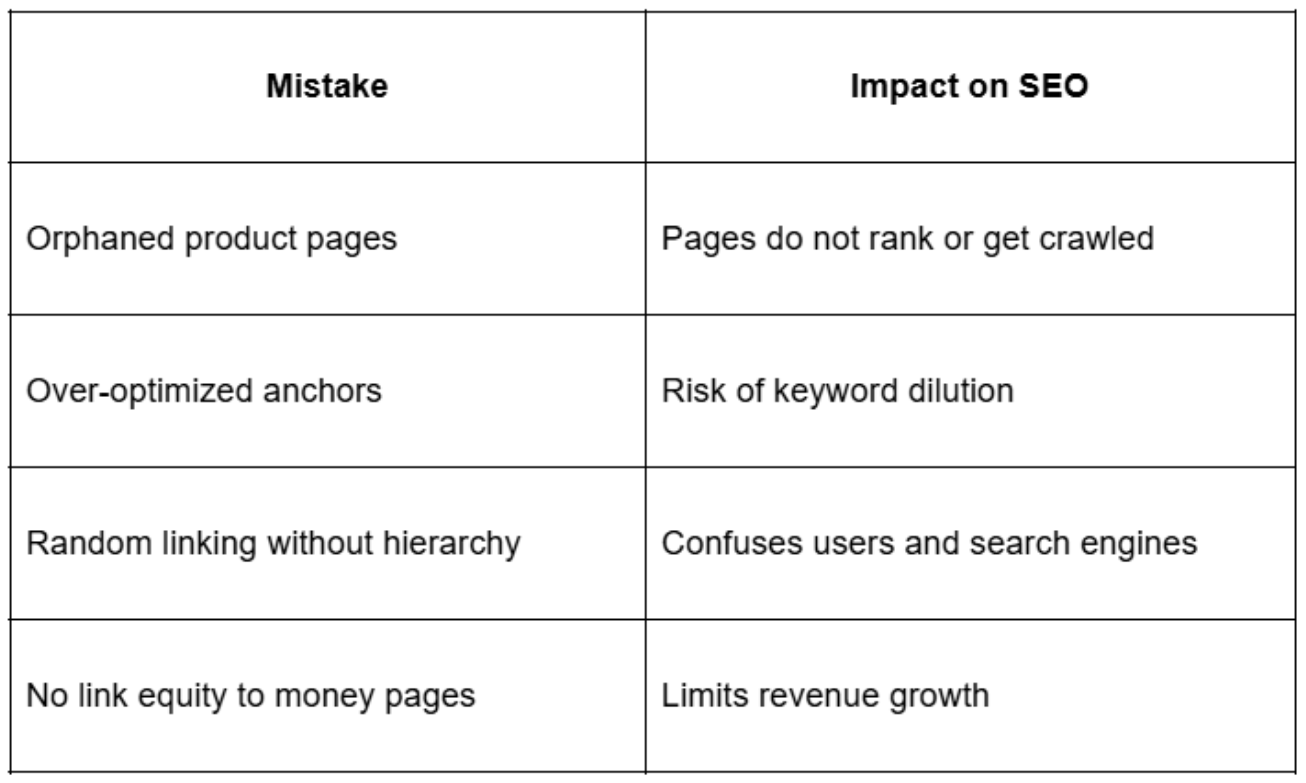
A structured internal linking system strengthens D2C ecommerce SEO and turns traffic into measurable revenue.
For a deeper dive into building a complete revenue-focused playbook, check out our D2C ecommerce strategy for online sales success guide to see how SEO fits into the bigger picture of acquisition, conversion, and retention.
Essential SEO Tips for Online Store Technical Health
A strong D2C ecommerce strategy depends on solid technical SEO foundations. Even the best content and ads will struggle if search engines cannot crawl, understand, or index your store properly.
Technical SEO Foundations You Must Check Today
These core technical elements ensure search engines can crawl, understand, and prioritize your store correctly.
- Clean URL structure: Simple, keyword-focused URLs improve crawlability and user trust.
- Proper canonical tags: Prevent duplicate content issues across product variants and collections.
- Index control for filters and variants: Use noindex where needed to avoid index bloat.
- XML sitemap and crawl budget optimization: Ensure priority product and category pages get crawled first.
These basics keep your digital marketing strategy for online store growth technically sound.
E-commerce Specific Technical Fixes Most Ecom Brands Ignore
Beyond the basics, many e-commerce stores miss deeper technical fixes that quietly limit rankings and scalability. Addressing these issues helps strengthen long-term D2C ecommerce SEO performance.
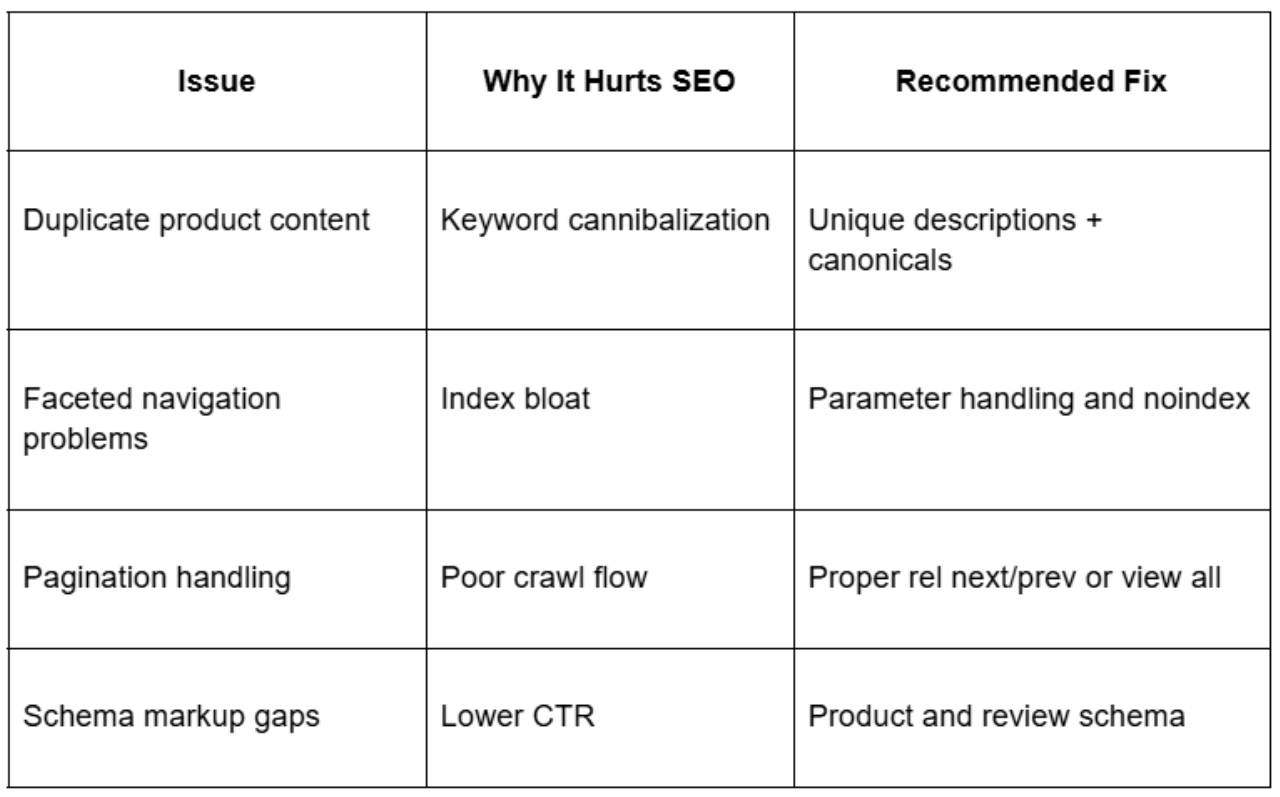
Fixing these issues strengthens D2C ecommerce SEO, improves rankings, and supports long-term revenue growth.
AI-powered shopping and instant checkout are reshaping the e-commerce landscape. To see how these innovations can enhance your D2C SEO and streamline conversions, check out our guide on ChatGPT instant checkout and AI shopping experiences.
D2C SEO Checklist for 2026 (Speed + Structure + Scalability)
This checklist is designed to support a scalable D2C ecommerce strategy that drives rankings, conversions, and repeat revenue in 2026.
Page Speed Audit Checklist
Start by fixing speed issues that directly impact rankings and conversions.
- Core Web Vitals passed on mobile
- Images compressed in WebP or AVIF
- Lazy loading for product and collection pages
- Unused apps and scripts removed
- CDN and server response optimized
Internal Linking Structure Checklist
Next, ensure your site structure supports both SEO and revenue flow.
- Clear category to product hierarchy
- Blog links to products and collections
- No orphaned pages
- Commercial intent anchors are used naturally
- Link equity flowing to money pages
Technical SEO Hygiene Checklist
These essentials keep your store technically clean and scalable.
- Clean URL structure
- Correct canonical implementation
- Filters and variants controlled with no-index
- XML sitemap updated
Product and review schema added
Ongoing Monitoring Metrics
Finally, track what matters to sustain long-term D2C ecommerce SEO growth.
- Traffic quality and conversion rate
- Indexed vs valid pages
- Crawl and page experience issues
- Transactional keyword movement
- Revenue from organic traffic
If you’re building a long-term SEO foundation for your D2C store, you’ll also want to check out our step-by-step guide on how to do SEO for an ecommerce website, which breaks down on-page and content strategies even better.
45 Day Quick D2C SEO Roadmap
If you’re new to SEO and want to set up a foundation for your online ecommerce store, follow this roadmap. It breaks D2C ecommerce SEO into clear, execution focused phases so improvements translate into measurable growth.
Days 1–15: Foundation & Fixes
Start by fixing technical gaps that block rankings and conversions.
- Full technical SEO and page speed audit
- Fix Core Web Vitals and major crawl issues
- Clean up duplicate URLs and index bloat
Days 16–30: Structure & Intent
Once the foundation is strong, align your site structure with buyer intent.
- Build an internal linking framework
- Optimize category and product pages for transactional keywords
- Add schema and improve product content
Days 31–45: Scale & Optimize
Finally, focus on scaling visibility and refining performance.
- Publish high-intent blog content linked to products
- Monitor rankings, crawl behavior, and conversions
- Refine based on performance data
This roadmap aligns SEO with revenue, making your digital marketing strategy for online store growth future-ready in 2026.
How Radian Marketing Helps D2C Brands Win with Ecommerce SEO
Radian Marketing follows a commercial intent-first approach to e-commerce SEO, ensuring rankings translate into real revenue, not just traffic.
We use a D2C first SEO approach that focuses on buyer intent keywords instead of vanity rankings. Every SEO decision is aligned with margins, AOV, and repeat purchase goals, and is supported by social media content and distribution, ensuring traffic translates into real revenue and repeat customers.
Speed-focused technical audits, revenue-driven internal linking, and conversion-aligned SEO fixes work together to improve both rankings and sales. This results in higher visibility for transactional keywords, better organic conversion rates, and a stronger revenue contribution from SEO driven traffic.
This is how Radian builds ecommerce SEO strategies that help D2C brands scale profitably.
When Should You Invest in D2C Ecommerce SEO Services?
You should invest in D2C ecommerce SEO services when your store has the foundation in place, but growth has started to stall.
Key signs your store is SEO ready but underperforming:
- Traffic exists, but conversions and sales are low
- Paid ads are driving revenue, but margins are shrinking
- You rely heavily on ads and need a scalable growth channel
- Product and category pages are not ranking for commercial keywords
When these signals appear, SEO becomes essential to balance CAC and build long-term demand. A strong D2C ecommerce strategy powered by SEO reduces dependency on ads and improves repeat revenue.
If you want predictable, high-intent traffic that converts, book a strategy call with Radian Marketing and unlock sustainable D2C growth.
Implement D2C E-commerce SEO as a Growth System
D2C ecommerce SEO in 2026 is not about ticking boxes. It is a long-term acquisition and retention system that consistently brings high-intent users and turns them into repeat customers. When SEO is aligned with conversion, lifecycle marketing, and influencer marketing, it becomes one of the most profitable channels in a D2C ecommerce strategy, supporting both trust building and demand generation across the funnel.
Brands that win in 2026 focus on speed, structure, and technical clarity. Fast loading pages, clean site architecture, strong internal linking, and clear signals for search engines and AI-led discovery platforms define sustainable growth. SEO is no longer separate from revenue; it directly supports conversions and customer lifetime value.